
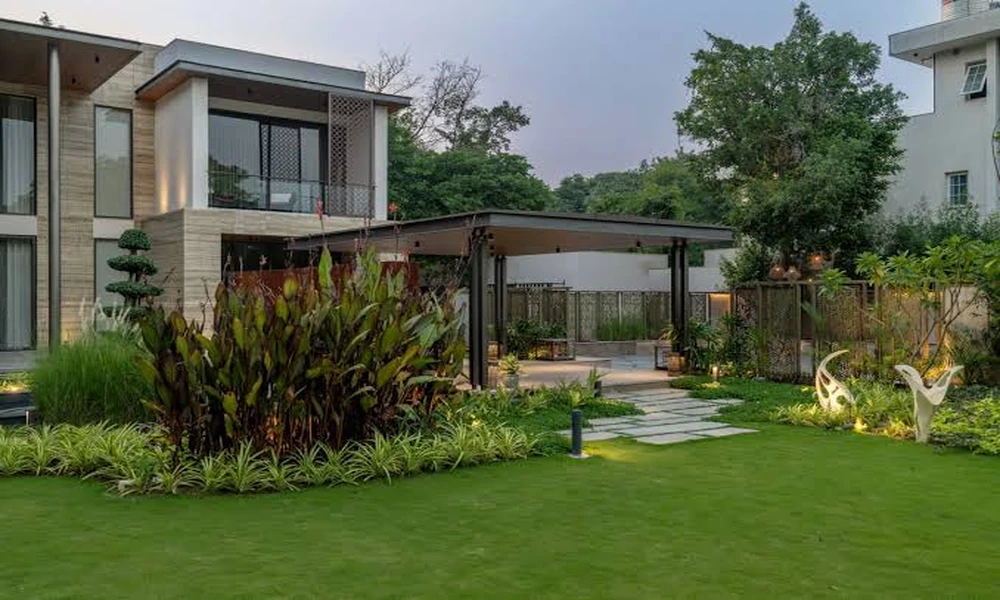
Shared outdoor areas now serve wider roles within busy urban settings.Careful planning gives open space rama 4 a clear purpose for daily use.Natural forms can soften built surroundings while supporting useful public activity.Open layouts create room for movement while planted areas provide visual balance.Thoughtful planning connects social needs with responsible care for shared places.
Why Do Green Areas Matter?
- Green areas provide breathing room within dense built surroundings.
- Trees offer shade while planted sections make common areas feel balanced.
- Clear paths also support steady movement throughout busy daily periods.
Well-placed greenery can separate active zones from quieter sections. Plant choices should suit local weather plus available maintenance resources. Simple planting plans often remain easier to care for throughout changing seasons.
How Can Layout Improve Use?
A useful layout considers movement before adding decorative design features.
- Wide paths provide clear routes while open sections support varied activities.
- Clear walking routes reduce crowding during busy daily use periods.
- Shaded seating gives visitors suitable places for short quiet breaks.
- Open gathering zones support casual meetings without blocking main pathways.
- Planted borders create gentle separation between different shared activity areas.
- Simple signs help visitors understand routes without adding visual clutter.
Design choices should also consider how spaces change throughout each day. Morning activity may differ from evening use. Flexible areas can support these changes without requiring major physical changes.
What Supports Daily Function?
- Reliable public areas need more than attractive planting or open ground.
- Good lighting supports clear movement while seating encourages longer casual visits.
- Regular care keeps pathways usable plus planted sections neat throughout seasons.
Drainage also deserves careful planning because standing water can damage surfaces. Durable materials reduce frequent repairs while keeping public areas easy to use. Clear boundaries help visitors understand where walking plus gathering should happen.
Flexible Zones Serve Communities
Flexible sections allow shared places to support several daily purposes.Simple layouts can change naturally as visitor numbers vary each day.
Current urban planning often gives greater attention to adaptable public areas. Within open space rama 4 planning can connect planted zones with clear movement routes. Such choices support everyday use without making the setting feel crowded.
Seating can face different directions to support privacy plus social contact. Open ground can remain available for informal gatherings or quiet personal time. Trees can define edges without creating heavy physical barriers.
Which Features Shape Quality?
Small details often influence how well common areas work daily.
- Good choices support movement while reducing unnecessary maintenance demands.
- Native planting can lower care needs during changing weather conditions.
- Durable seating supports regular use across different daily visitor patterns.
- Clear lighting improves visibility without filling spaces with excessive fixtures.
- Permeable surfaces help manage rainwater across heavily used outdoor sections.
- Accessible paths allow easier movement through major shared public areas.
Maintenance planning should begin during the design stage rather than later. Easy access to planted sections makes routine care simpler. Strong materials also help surfaces remain useful despite frequent public movement.
Design Choices Need Balance
Balanced planning combines greenery with movement plus useful social areas.Every feature should serve a clear purpose within the wider setting.
- Tree placement provides shade while keeping important walking routes visible.
- Seating positions support rest without narrowing major movement corridors nearby.
- Planting groups add variety while keeping maintenance routines reasonably simple.
- Lighting placement supports evening visibility without creating unnecessary visual pressure.
- Drainage planning protects walking surfaces during periods of heavier rainfall.
Public areas also work better when future needs remain part of planning. Movable seating can provide greater flexibility than fixed arrangements. Clear open zones allow planners to adjust functions without rebuilding entire sections.
Common Design Questions
Public design decisions often raise simple questions about function plus upkeep. Clear answers can help explain how thoughtful planning supports reliable shared settings.
How much greenery should shared areas include?
The amount should match available space plus expected daily activity. Planting should provide shade without reducing useful walking or gathering areas. Maintenance capacity should also guide how much vegetation gets included.
Why are clear walking routes important?
Direct paths make movement easier during both quiet plus busy periods. They also reduce unwanted shortcuts through planted sections. Clear routes can improve overall order without adding complicated signs.
Steady Care Matters
Successful shared places depend on thoughtful choices followed by steady upkeep.Balanced planning can create useful zones without relying on excessive features.Reliable materials plus sensible planting help public areas remain manageable longer.Regular checks preserve clear movement while flexible sections support changing needs.Consistent execution creates stronger shared settings than chasing perfect design.

Comments are closed.