
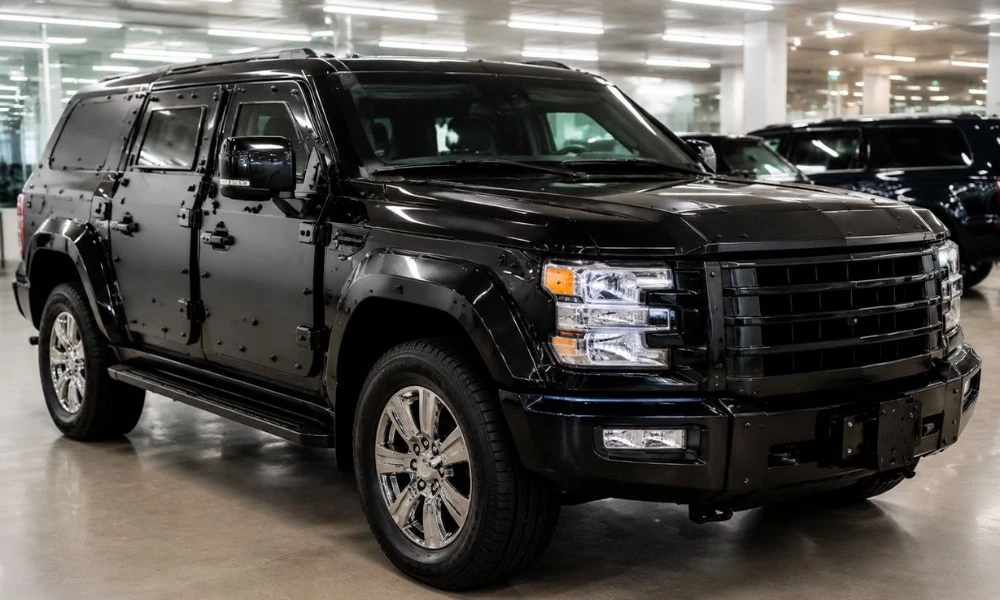
The idea of stepping into a car that can withstand ballistic threats used to be the stuff of movies or heads of state. Today, bulletproof sedans blend into city traffic, indistinguishable from luxury vehicles that offer nothing more than comfort. But choosing the right armored sedan involves far more than picking a model off the showroom floor.
Understanding Armored Sedans: What Sets Them Apart
Armored sedans are more than luxury cars with a few extra safety features. At their core, these vehicles are engineered to provide maximum protection without sacrificing drivability or discretion. The thick ballistic steel, multilayer bullet-resistant glass, and reinforced suspension systems are all painstakingly integrated so the car looks and feels like a standard high-end sedan.
Key Features of Bulletproof Sedans
Not all armored sedans are created equal. The best examples, such as those offered by Troy Armoring, incorporate:
– Ballistic steel built into the body shell
– Bullet-resistant glass layered with polycarbonate
– Run-flat tires that remain operational after punctures
– Overlap protection around doors and weak points
– Reinforced floor panels and roofs for blast resistance
Each feature is designed to counter specific threats while preserving the original aesthetics.
How Does Armoring Affect Vehicle Dynamics?
Adding hundreds of kilograms of armor will inevitably change the car’s dynamics. Manufacturers must account for weight distribution, adjust brakes and suspension, and sometimes even upgrade the engine to ensure performance and safety standards remain uncompromised. Choose a provider with proven engineering expertise to avoid handling or braking issues.
Common Models and Their Armor Specifications
Some models adapt especially well to armoring due to their robust chassis and powertrains. The Mercedes Benz S-Class, BMW 7-Series, Audi A8, and even sedans like the Toyota Camry are frequent choices. Armor levels range from protection against handguns (B4 rating) to high-powered rifles and blasts (B6-B7 ratings). The higher the rating, the greater the weight and engineering demands.
Assessing Your Security Needs
There is no one-size-fits-all bulletproof sedan. Start by understanding the risks you face and the environments you operate in.
Identifying Threat Levels and Appropriate Armor Ratings
Is your primary concern street crime, organized criminal activity, or targeted attacks? For most civilians, B4 or B5 protection is sufficient. High-profile individuals facing significant risks might require B6 or B7.
Balancing Discretion with Protection
Armored sedans are intended to blend in. A discreet sedan attracts less attention than a hulking armored SUV. The ability to pass as an unremarkable car is what draws many security-conscious buyers to sedans.
Customization Options
Modern Troy Armoring armoured sedans offer extensive customization, from subtle exterior styling to bespoke interiors and technology packages tailored to professional or personal requirements.
Performance and Practicality for Everyday Use
Bulletproof sedans are now designed for daily use, but armoring does come with practical considerations.
Impact on Suspension and Braking Systems
Added weight means upgraded brakes and reinforced suspension are essential. Neglecting these upgrades compromises both performance and safety, even in normal driving.
Fuel Efficiency and Maintenance
Expect a reduction in fuel efficiency due to increased weight. Maintenance, especially on modified systems, may require specialized service, which can add to running costs.
Comfort and Luxury
A key advantage of premium armored sedans is that luxury and quietness are not sacrificed. High-end interiors, advanced infotainment, and ride comfort often match or exceed the base vehicle.
Legal and Financial Considerations
Before investing, explore the legal and financial landscape.
Compliance with Regulations
Armored vehicles must comply with both local and international laws regarding use and modification. Some regions restrict certain armor levels or require declarations for use on public roads.
Insurance Implications
Insuring an armored sedan is more expensive and requires specialist providers. However, the right policy will cover modifications and potential risks.
Cost Breakdown
| Expense Category | Typical Range ($USD) |
|———————-|———————-|
| Base Vehicle | 40,000 – 250,000 |
| Armoring Package | 30,000 – 100,000+ |
| Annual Maintenance | 2,000 – 5,000 |
| Insurance | 3,000 – 10,000 |
| Resale Value | 50-70% of total cost |
Initial outlay is significant, but resale values are surprisingly resilient when maintained properly.
Choosing the Right Armored Sedan Provider
Your safety depends on the integrity of the armoring process.
Armoring Quality and Certification
Reputable providers use certified ballistic materials and transparent testing protocols. Always request documentation and independent test results.
After-Sales Support and Warranty
Reliable after-sales support is crucial. Look for providers that offer comprehensive warranties and global maintenance networks.
Client Testimonials and Case Studies
Hearing from real-world users gives insight into reliability, customer service, and vehicle performance under actual conditions.
Finalizing Your Investment
Never purchase blind. Insist on test drives and performance validation for any armored sedan under consideration. Evaluate custom features, from communications to emergency systems, and ensure everything matches your profile and needs. Consider future upgrade potential as threats and technology evolve.
Investing in a bulletproof sedan is more than buying a car. It’s a commitment to personal security, discretion, and peace of mind, one that deserves careful consideration and expert guidance every step of the way.

Comments are closed.