
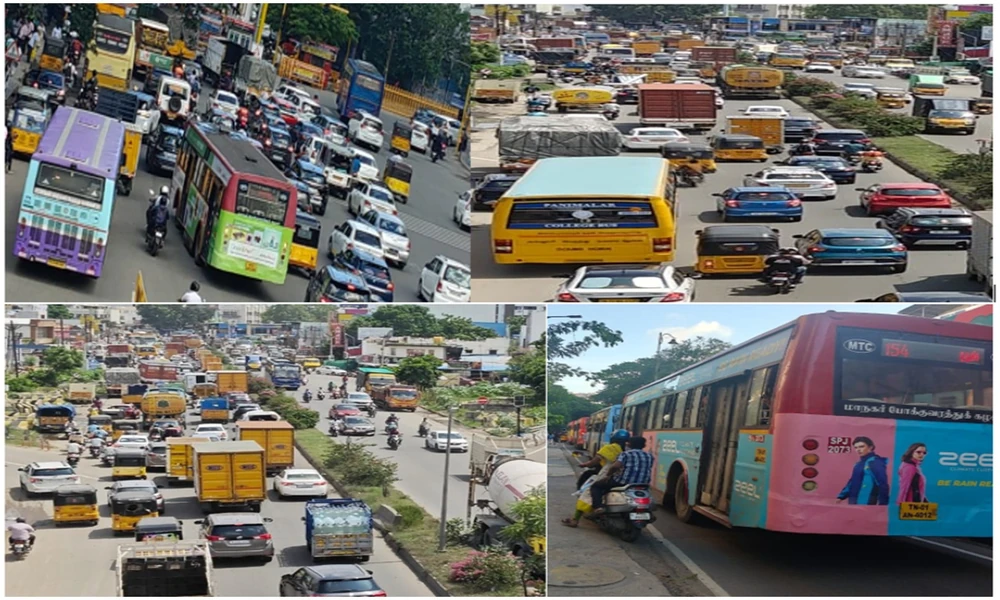
Orange cones and flashing lights are more than just signals to slow down. They are part of a tightly orchestrated effort to keep people moving while safeguarding lives in the maze of modern construction zones. Striking the right balance between mobility and risk is a challenge that has evolved alongside our cities, our infrastructure, and our expectations for safety.
Origins of Traffic Management in Construction Zones
Before traffic management became a science, construction sites were marked by little more than a few warning signs, if any. Workers and drivers alike navigated confusion and danger, with safety often left to chance. The earliest efforts to manage risk centered on simple measures: manual flagging and hand-painted signs. Predictably, accidents were frequent and delays common.
As automobile usage exploded throughout the twentieth century, city planners and engineers recognized the need for rules and tools to protect both workers and commuters. Early regulatory frameworks emerged, but they were uneven and reactive. Standards for how to mark work zones or direct traffic changed from one city to the next, leaving room for confusion and inconsistent enforcement.
The arrival of specialized traffic control personnel marked a turning point. Equipped with basic signaling devices and training, these workers became essential for both mobility and safety. Still, the tools at their disposal were basic, and larger projects strained their capacity to maintain order.
The Rise of Complex Construction Traffic Environments
Population growth and urban sprawl have transformed construction zones into intricate networks of activity. Large infrastructure projects must account for surging vehicle volumes, dense pedestrian flows, and diverse modes of transit. Every intersection becomes a potential point of conflict.
The risk profile has grown more sophisticated. Vehicles must be separated not just from workers, but from unexpected hazards like heavy equipment and temporary road surfaces. Pedestrian detours and bike lanes introduce new layers of complexity, raising the stakes for mistakes.
In response, integrated traffic management solutions have emerged. No longer just about cones and flaggers, these systems incorporate detailed planning, advanced equipment, and coordination across multiple stakeholders. Companies like Salus Traffic Control have specialized in delivering comprehensive services that address the full spectrum of risk and mobility needs in high-traffic environments.
Regulatory Evolution and Compliance Standards
Construction traffic management in Ontario now operates under a web of stringent requirements. The adoption of the Ontario Traffic Manual Book 7 (OTM Book 7) set a new standard for the design and implementation of safe work zones. This document prescribes everything from signage placement to the use of channelizing devices, ensuring consistency across projects.
Alongside OTM Book 7, the Occupational Health and Safety Act (OHSA) mandates safe work practices tailored to the hazards of traffic environments. Municipalities often layer on additional requirements, demanding site-specific planning and documentation. Together, these standards not only protect workers but also create predictability for motorists and the public.
Modern Traffic Management Technologies and Techniques
Today’s construction sites are supported by fleets of modern traffic control equipment. Digital message boards, high-visibility barriers, and smart sensors provide real-time feedback and adaptability. Fleet modernization means equipment is reliable and scalable, able to match the unique demands of everything from small utility digs to major highway reconstructions.
Digital tools have revolutionized traffic planning. Detailed, data-driven models can forecast bottlenecks and identify optimal detour routes before a single cone is laid. Real-time monitoring allows for rapid response to emergencies, with some providers offering 24/7 readiness to mitigate incidents as they arise.
The Safety-First Culture in Contemporary Traffic Management
Safety culture is not a slogan, but a daily commitment. Companies invest heavily in the training and certification of personnel, ensuring every worker understands not just the rules, but the reasons behind them. Hazard awareness is tailored to each work site; no two projects share identical risks.
Daily safety operations include routine checks, compliance audits, and rapid communication of hazards. Documenting these efforts is essential for accountability and learning, allowing teams to refine their practices and adapt to evolving standards.
Balancing Mobility Needs with Risk Mitigation Strategies
The core challenge remains: how do you keep people moving while minimizing danger? Effective traffic plans are designed for minimal disruption, yet flexible enough to adjust when conditions change.
Pavement markings and signage play a crucial role, guiding drivers and pedestrians with unmistakable clarity. Coordination between contractors, municipalities, and utility providers is essential, requiring regular communication and collaborative problem-solving.
Case Studies: Successful Management of Complex Construction Traffic
Toronto and the Greater Toronto Area present textbook examples of these challenges and solutions. High-profile infrastructure upgrades have demanded sophisticated traffic control, from phased lane closures to dynamically adjusted detour routes. Utility and private development projects have demonstrated the value of end-to-end management, integrating planning, equipment, and supervision.
These successes underscore best practices: proactive communication, investment in technology, and a relentless focus on safety.
Future Trends and Innovations in Construction Traffic Management
Looking ahead, automation and artificial intelligence are poised to further transform the field. Smart traffic signals, predictive analytics, and real-time data integration will allow for unprecedented efficiency and responsiveness.
Sustainability is also emerging as a priority. Innovations such as solar-powered signage and recyclable barriers are setting new standards for environmentally conscious traffic management. As cities grow and expectations rise, continuous improvement in both safety and mobility will remain at the heart of the industry.
In the end, a safe, smoothly flowing construction zone is not just a matter of compliance or convenience. It is a testament to the evolving art and science of balancing mobility and risk, one project at a time.

Comments are closed.